Myth #1: My Landlord’s Insurance Covers My Stuff If There’s a Fire.
Honestly, this is the biggest misconception out there, especially in a state like California where fires, sadly, are just a part of life. Many people renting apartments or homes here in places like Ventura County or the Inland Empire just assume that if the building burns down, everything they own is covered by the property owner’s policy. Not true. Not even a little bit.
Your landlord’s insurance policy—and they absolutely should have one—is there to protect the physical structure itself. It covers the walls, the roof, the foundation. It covers their financial investment in the building. But it doesn’t extend to your personal belongings. Think about it: they don’t know what kind of couch you own, how many pairs of shoes you have, or the value of your vintage record collection. How could their policy possibly account for that?
So, if a fire rips through your apartment building in, say, Santa Monica, or even a house in the hills of Pasadena, your landlord’s policy might rebuild the property. But you? You’d be left with nothing but the clothes on your back. That’s a scary thought.
What Exactly Does “Personal Property” Mean?
It’s simple, really. Personal property is almost everything you own that isn’t part of the building itself. This means your clothes, your furniture, your TV, your computer, kitchenware, books, jewelry, art — you name it. If you picked up your home and shook it, whatever fell out? That’s your personal property.
A good renters insurance policy covers this stuff. Often, you’ll choose a coverage limit, like $20,000 or $50,000, which is the maximum amount the insurer will pay out to replace your belongings after a covered event like a fire. Sometimes, policies offer “actual cash value” (ACV) which means they pay what your items are worth *today*, after depreciation. But most people opt for “replacement cost value” (RCV) which pays what it would cost to buy brand new versions of your items. Big difference. Imagine replacing a five-year-old laptop versus buying a new one.
Myth #2: Renters Insurance Only Kicks In For Total Loss.
Another common mistake. People think, “Well, if my apartment doesn’t burn to the ground, I don’t need insurance.” That couldn’t be further from the truth. Fires aren’t always catastrophic, but even small ones can cause huge problems.
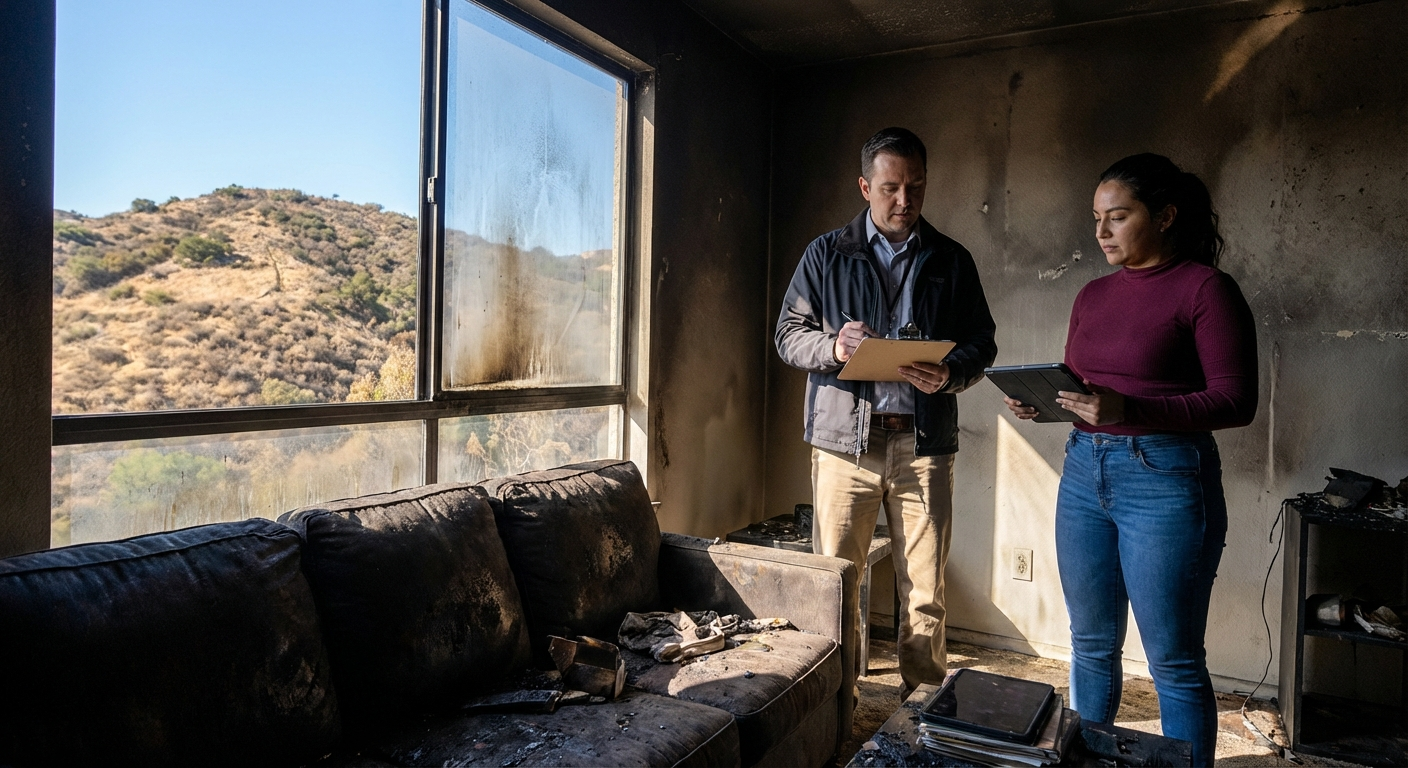
Maybe a kitchen fire starts, and firefighters quickly put it out. Great, right? Not always. Even a contained fire can fill your entire unit — and sometimes neighboring units — with thick, acrid smoke. That smoke doesn’t just smell bad; it infuses itself into clothes, furniture, curtains, and even electronics. Often, everything touched by smoke needs professional cleaning or outright replacement.
Which brings up something most people miss. Firefighting efforts themselves can cause massive damage. Water from hoses can ruin floors, walls, and all your personal items. So, a minor blaze in one room can still lead to extensive water damage throughout your home. A renters policy covers these scenarios too, not just when everything turns to ash.
Beyond Your Belongings: Additional Living Expenses (ALE)
Here’s where it gets interesting. What happens if a fire, even a small one, makes your apartment unlivable for a few weeks or months? Where do you go? Who pays for that?
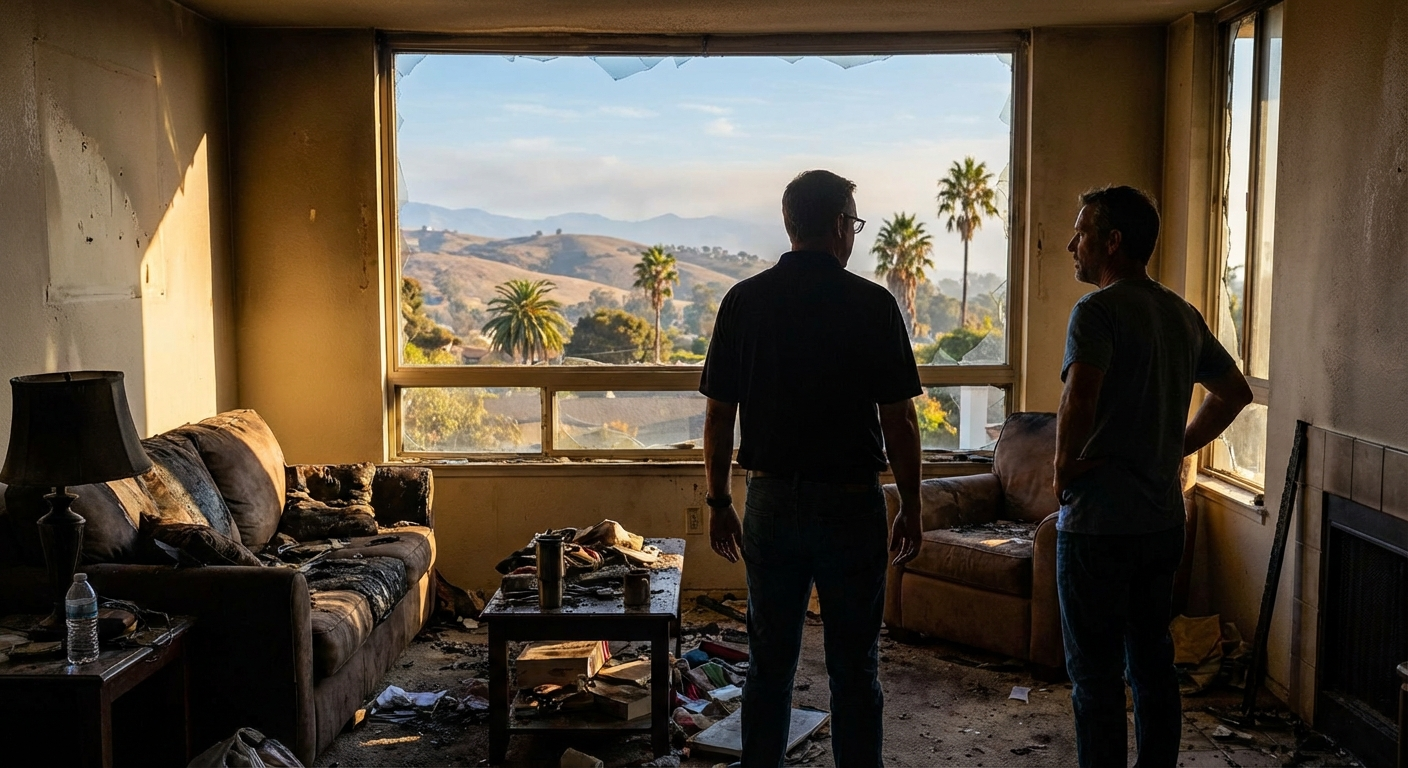
Your renters insurance does. This is called Additional Living Expenses, or ALE coverage. If a covered peril — like fire — forces you out of your rental, ALE steps in. It covers the extra costs you incur while your place is being repaired. Think hotel bills, the cost of a temporary rental, restaurant meals because you can’t cook, even extra gas for a longer commute, or laundry services.
Remember the devastating fires that swept through areas like Malibu or Paradise? Thousands of Californians were displaced. For renters, ALE coverage isn’t just a nice-to-have; it’s a lifeline. Without it, you’d be footing the bill for temporary housing out-of-pocket, on top of trying to figure out how to replace your possessions. It’s a double whammy nobody wants.
Myth #3: Renters Insurance Is Too Expensive, Especially in Fire Zones.
This is a really persistent myth, and it keeps a lot of Californians unprotected. The truth? Renters insurance is often incredibly affordable. We’re talking about the cost of a few lattes a month. For many people, a basic policy can be as low as $15-$20 a month. Compare that to the thousands, or tens of thousands, it would cost to replace everything you own. It’s a no-brainer.
Now, sure, California’s unique geography — those dry hills, the Santa Ana winds — means we face significant fire risks. And yes, insurers have been pulling back from the homeowners market in fire-prone areas, or hiking premiums substantially. State Farm and Farmers, for example, have made headlines for their changes. But here’s the thing: renters insurance isn’t quite the same beast.
Your renters policy isn’t covering the multi-million dollar structure. It’s covering your relatively contained personal property and your liability. While rates might see slight adjustments across the board due to overall risk, they aren’t experiencing the same dramatic surges we’ve seen in homeowners’ premiums in places like the Sierra foothills or the wildland-urban interface areas of the Valley.
The California Wildfire Problem — And What It Means For Renters
We live in a beautiful but sometimes volatile state. From the Mendocino Complex in the north to the Woolsey Fire in the south, wildfires are a constant threat. Experts are already talking about the potential for another intense fire season, maybe even rivaling what we saw in 2020 or what’s predicted for 2025 in parts of Los Angeles County.
For homeowners in high-risk brush zones, getting coverage has become a real challenge. Many are forced onto the California FAIR Plan, which is the “insurer of last resort.” But for renters? It’s generally much simpler. Most standard insurers like AAA, Mercury, or even smaller regional carriers still offer renters policies statewide. They understand the risk is different. The cost to replace an apartment building is huge; the cost to replace your sofa and TV is far less. So, while you might hear about insurance troubles in California, don’t assume that applies to renters policies in the same way. Prop 103, which regulates insurance rates in California, helps keep things fair, but the market reacts to risk, and renters insurance just has a different risk profile.
Myth #4: I Don’t Need Renters Insurance Because I Don’t Own Much.
You’d be surprised how quickly the value of your possessions adds up. Go around your apartment right now. Your bed, your dresser, your clothes, your phone, your laptop, your kitchen appliances, your bike. Even if you’re a minimalist, these items collectively represent thousands of dollars.
Think about the sheer practical nightmare of starting from zero. No toothbrush, no clean socks, no way to charge your phone, no bed to sleep in. It’s not just about the monetary value; it’s about the disruption to your entire life. Renters insurance isn’t just for people with fancy art collections. It’s for anyone who wants to avoid the incredible financial and emotional stress of losing everything and having no way to replace it.
But wait — there’s another huge piece of this puzzle that many people overlook: liability coverage.
What About Liability If *I* Start the Fire?
This is where things can get really expensive, really fast. What if you, by accident, cause a fire? Maybe you leave a candle burning, or a cooking mishap gets out of hand. It happens. If that fire damages the building itself, your landlord’s insurance company will pay to fix their property. But then they’ll likely come after *you* to recover those costs. This is called subrogation.
If you have renters insurance, your personal liability coverage steps in. It pays for the damage you accidentally cause to the landlord’s property. It also covers medical expenses if a guest gets injured in your apartment — say, they trip and fall, or get burned in that accidental fire. Without renters insurance, you’d be personally responsible for those bills, which could easily run into tens or even hundreds of thousands of dollars. That’s a financial hit that could devastate most people.
Myth #5: Getting a Quote Is a Huge Hassle.
Honestly, it’s never been easier. Gone are the days of endless phone calls and mountains of paperwork. These days, getting a renters insurance quote usually takes just a few minutes online. You’ll answer some basic questions about where you live, what you own, and what kind of coverage you’re looking for.
Many reputable insurance professionals, like Karl Susman of LA Renters Insurance, CA License #OB75129, specialize in making this process simple and clear. They can help you understand your options and find a policy that fits your needs and budget. You don’t have to be an insurance expert; that’s what they’re there for.
Ready to see how affordable protecting your belongings and your peace of mind can be? Get a fast, free quote today: https://larentersinsurance.com/get-a-quote/
Finding the Right Policy for Your California Home
When you’re looking for a policy, think about a few things. How much are your belongings truly worth? Don’t underestimate. Do you want replacement cost or actual cash value? What deductible are you comfortable with — that’s the amount you pay out-of-pocket before your insurance kicks in.
Most insurers offer renters policies, from the big names like Geico and Progressive to regional carriers. It’s always a good idea to compare quotes. But remember, the cheapest policy isn’t always the best. Make sure you’re getting adequate coverage, especially for personal liability. A little extra coverage often costs very little but provides a lot more protection.
Don’t let the threat of fire in California keep you unprotected. Take control of your financial security. For a quick, no-obligation quote, visit: https://larentersinsurance.com/get-a-quote/
Frequently Asked Questions About Renters Insurance and Fire Damage
Does renters insurance cover wildfire damage specifically?
Yes, standard renters insurance policies generally cover damage from fire, including wildfires. Fire is a “named peril” in most policies. This means if a wildfire causes damage to your personal property or makes your rental unlivable, your policy should respond.
What if smoke from a distant fire damages my belongings?
Even if the fire isn’t on your property, smoke damage from a nearby or even distant wildfire is typically covered under the fire peril of your renters insurance policy. Smoke can permeate fabrics, electronics, and furniture, causing significant damage that needs professional cleaning or replacement.
Is there a deductible for fire damage claims?
Yes, most renters insurance policies have a deductible, which is the amount you pay out-of-pocket before your insurance coverage kicks in. For example, if you have a $500 deductible and $10,000 in fire damage, you’d pay the first $500, and your insurer would pay the remaining $9,500.
Will my renters insurance premium go up if I live in a high fire risk area?
While overall insurance costs in California have increased due to wildfire risk, renters insurance premiums are generally less impacted than homeowners’ policies. Insurers assess the risk to your personal property and liability differently than the risk to an entire structure. You might see slightly higher rates in certain zones, but it’s usually still very affordable.
What steps should I take immediately after a fire?
First, ensure everyone is safe and follow emergency responder instructions. Once it’s safe to do so, contact your insurance provider (or Karl Susman at LA Renters Insurance, CA License #OB75129) immediately to start the claims process. Document everything with photos and videos, and create an inventory of damaged items. Keep receipts for any temporary living expenses.
This article is for informational purposes only and does not constitute financial advice.